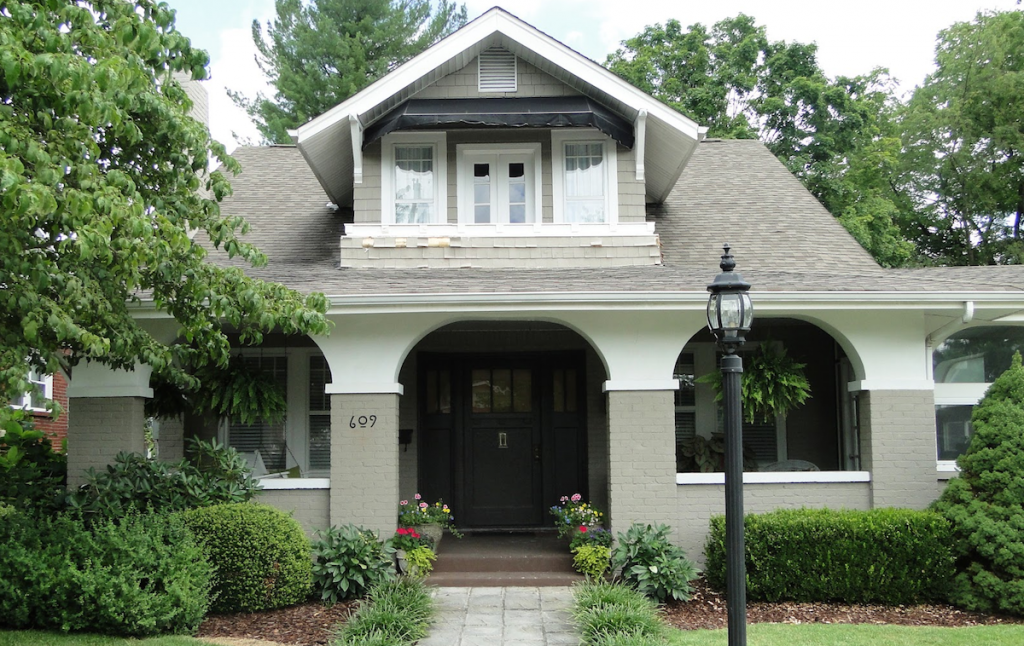
As homes age and change hands, undergo renovations, and weather the elements, problems can arise that homeowners aren’t even aware of. Next time you get your inspection then, be sure your inspector pays especially close attention to these details.
Faulty Wiring
House fires are commonly caused by faulty electrical wiring. It’s not unusual to see extension cords running from room to room in older homes, placing a heavy burden on the electrical system. Exposed wires are another common sight, and any wire that is exposed is susceptible to physical damage. The most insidious problem, though, is faulty wiring behind the walls, because it’s much harder to verify their integrity. There are, fortunately, a couple of fielding questions you can ask to see if the home in question is high-risk for certain problems.
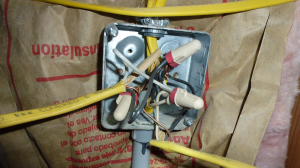 First, if it was built over 40 years ago, check to see if the electrical wiring has been replaced since then. Wiring installed before then was meant to handle approximately 30 amps of power, whereas most current homes’ wiring is built to conduct closer to 200 amps. If there are any breakers that trip often or fuses that blow frequently, the home’s wiring may be outdated.
Second, if the home was built or modified in the 1960s or 1970s, there’s a good chance it may have aluminum wiring. Have your inspector check for the word “aluminum” embossed or printed on any of the exposed wiring to determine if your home’s wiring is aluminum. If the inspector’s evaluation is unclear, consider contacting an electrician to confirm.
Roofing Problems
The roof is one of the first lines of defense against water and weather damage to your home. As roofing materials age, they naturally degrade, and any resulting water leaks can lead to mold and expensive repairs or replacement. Improperly installed roofing materials can also lead to premature aging, so professional installation is essential.
Keep in mind that different materials have different life expectancies. Asphalt shingles have a life expectancy of 15 to 40 years and will cup up or down with age. Wood shingles and shakes demonstrate similar symptoms when aging, and are also susceptible to insect damage. Terra cotta, concrete, and slate tiles have life expectancies of 20 to 100 years, but these materials are very brittle. The expansion and contraction associated with changing seasons cause these tiles to eventually crack or become loose, and these signs of aging can be extremely difficult to see from the ground.
Poor Grading and Drainage
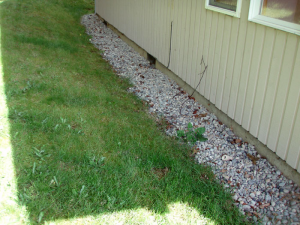 It’s essential that the grading of the property slopes away from the home. Sloping back toward the home can lead to damp crawlspaces, foundation movement, cracking, or settlement. Water seeping into the foundation oftentimes leads to mold and rot in the walls. Indications of foundation movement include windows that are out of square, interior doors that have large and uneven gaps at the top when closed, and floors that are visibly unlevel. Since the issue in these cases is the foundation of the home, the cost to correct this problem can add up quickly. The sooner it’s addressed, the better.
Stucco Issues
The most common problems with stucco occur as a result of moisture. Paint peeling, cracking, and wood rot are caused by moisture from the soil interacting with the stucco. Moisture trapped in the walls of a home expands and contracts with the weather, causing cracks. And if a home is built improperly, stucco may even crack under pressure from wind.
Efflorescence is the salt from evaporated soil water that collects on the stucco exterior of a home and causes paint to peel. If you notice this happening to your home, consider reflashing, caulking, or painting your stucco, which serves as both a remedy and a preventative measure to future peeling. Sealing the exterior finish from condensation can prevent these issues, but if you’ve already noticed any cracking or holes, it may be time for an inspection. These checks not only ensure your home is structurally secure, but also help determine whether mold or bugs have infested a home.
Poor Ventilation
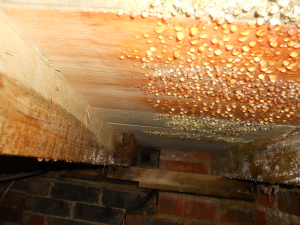 Failure to properly ventilate a home can lead to a slew of unpleasant issues, including infestation from mold and mildew, rusted plumbing or pipework, reduced HVAC efficiency, unpleasant odors, frost build up, and the unhealthy respiratory symptoms. Of course, regular home inspections and subsequent improvements to the home’s utilities will stave off the negative side effects of poor ventilation!
Have questions about issues you’ve noticed in your home? Contact us for a consultation with one of our certified industry experts. We’re always within reach, so don’t hesitate—call us at (770) 760-1967 and schedule your inspection today!
17,188 comments on “Serious Defects Your Home Inspector May Miss”